Thermal management is where the modern electric car spends its engineering budget, and this group shows why: a heat pump, an integrated module that gathers the valves and exchangers into one housing, a front-end stack that rejects heat, and the small parts that decide whether any of it works in year five.
Three assemblies and the small parts between them
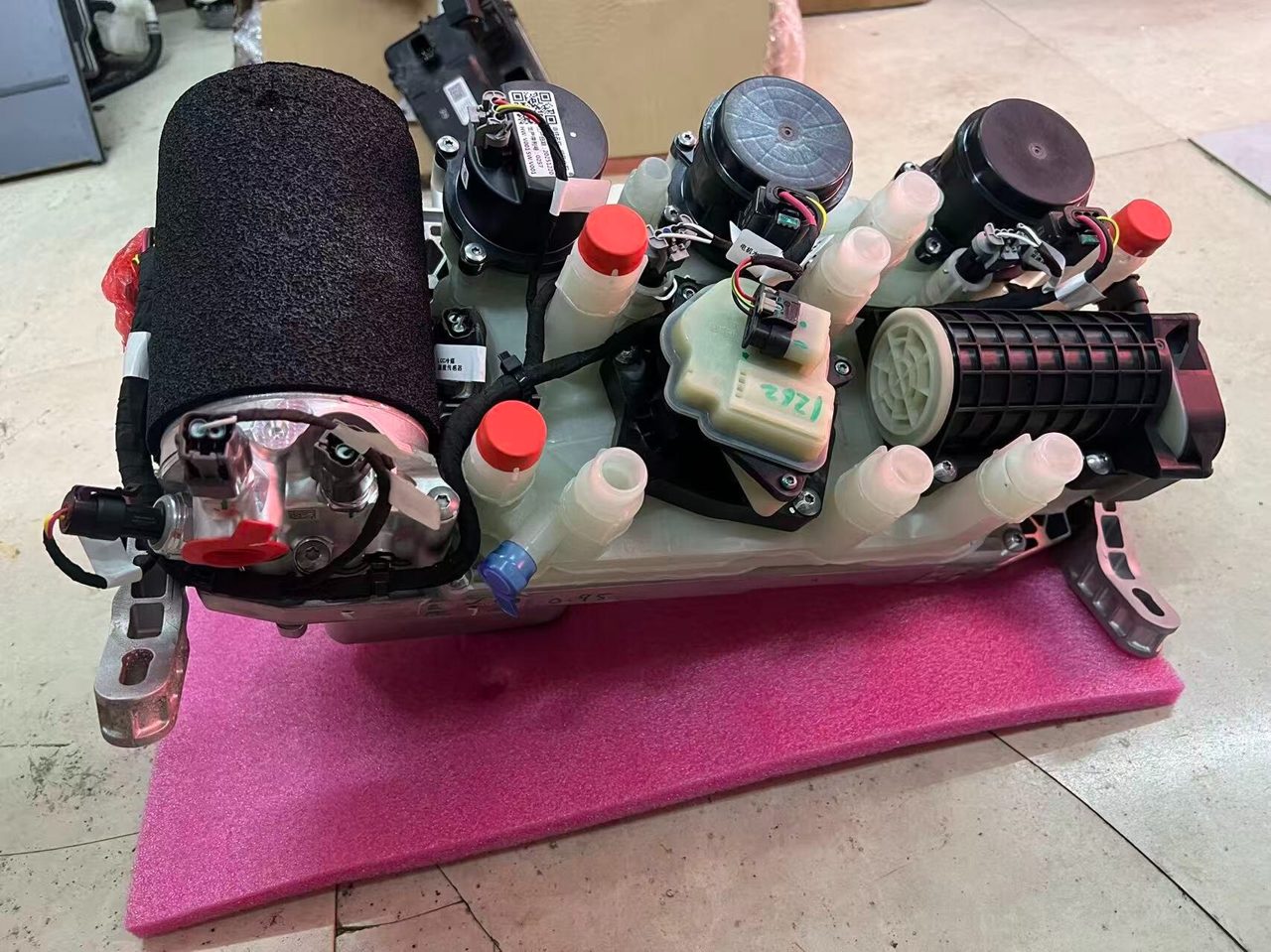
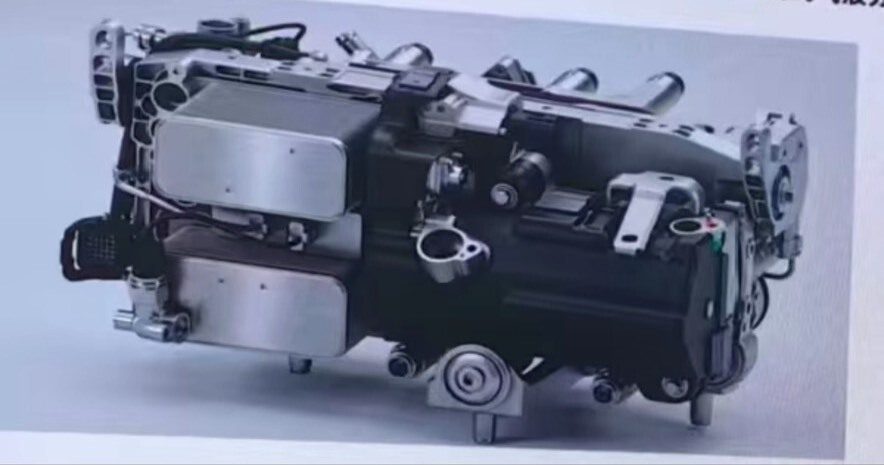
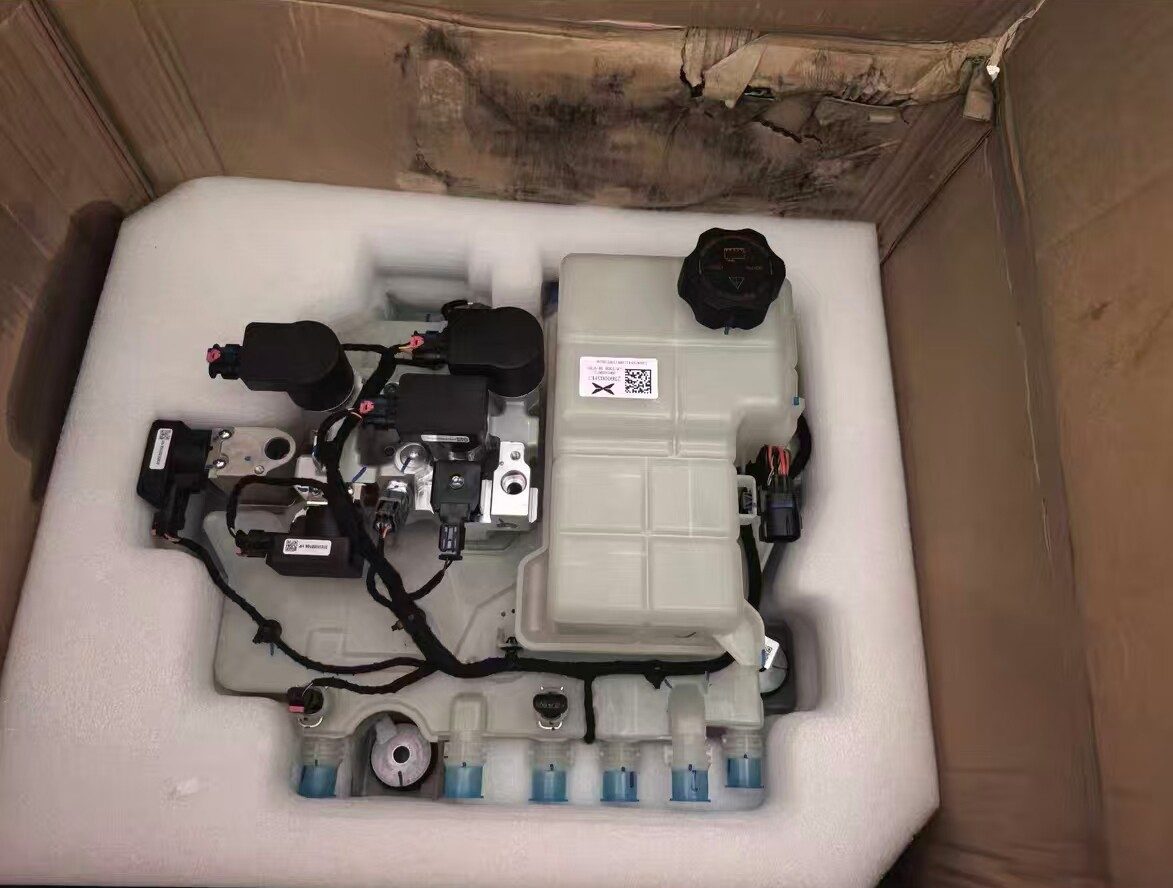
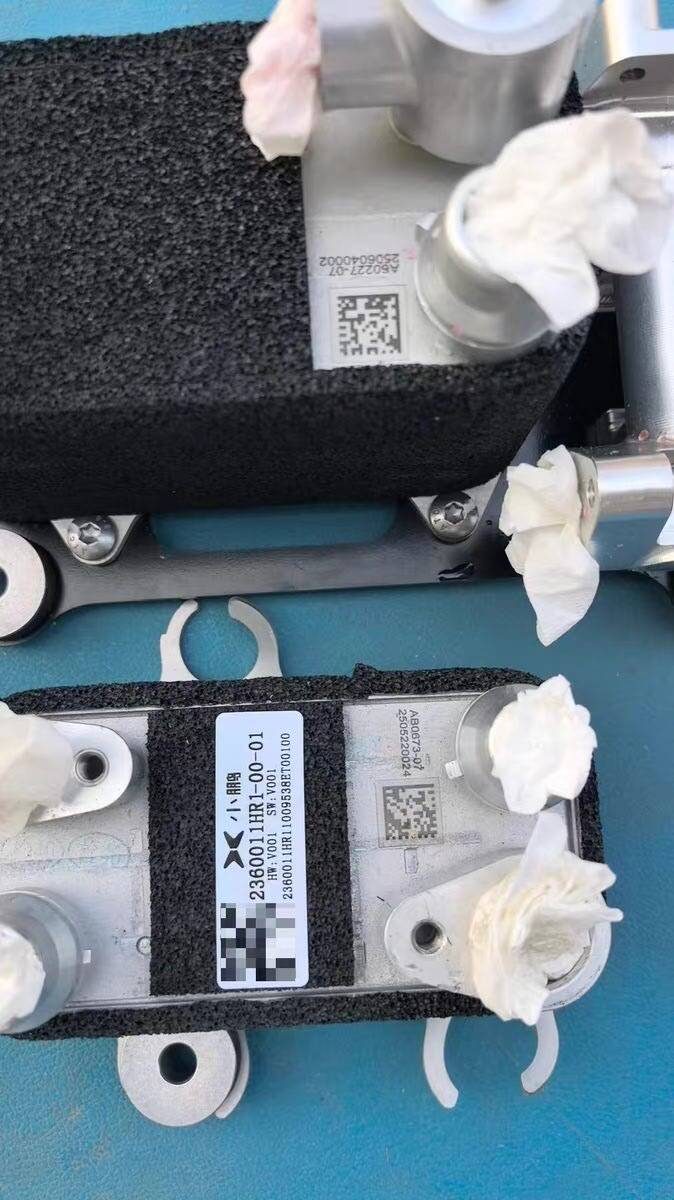
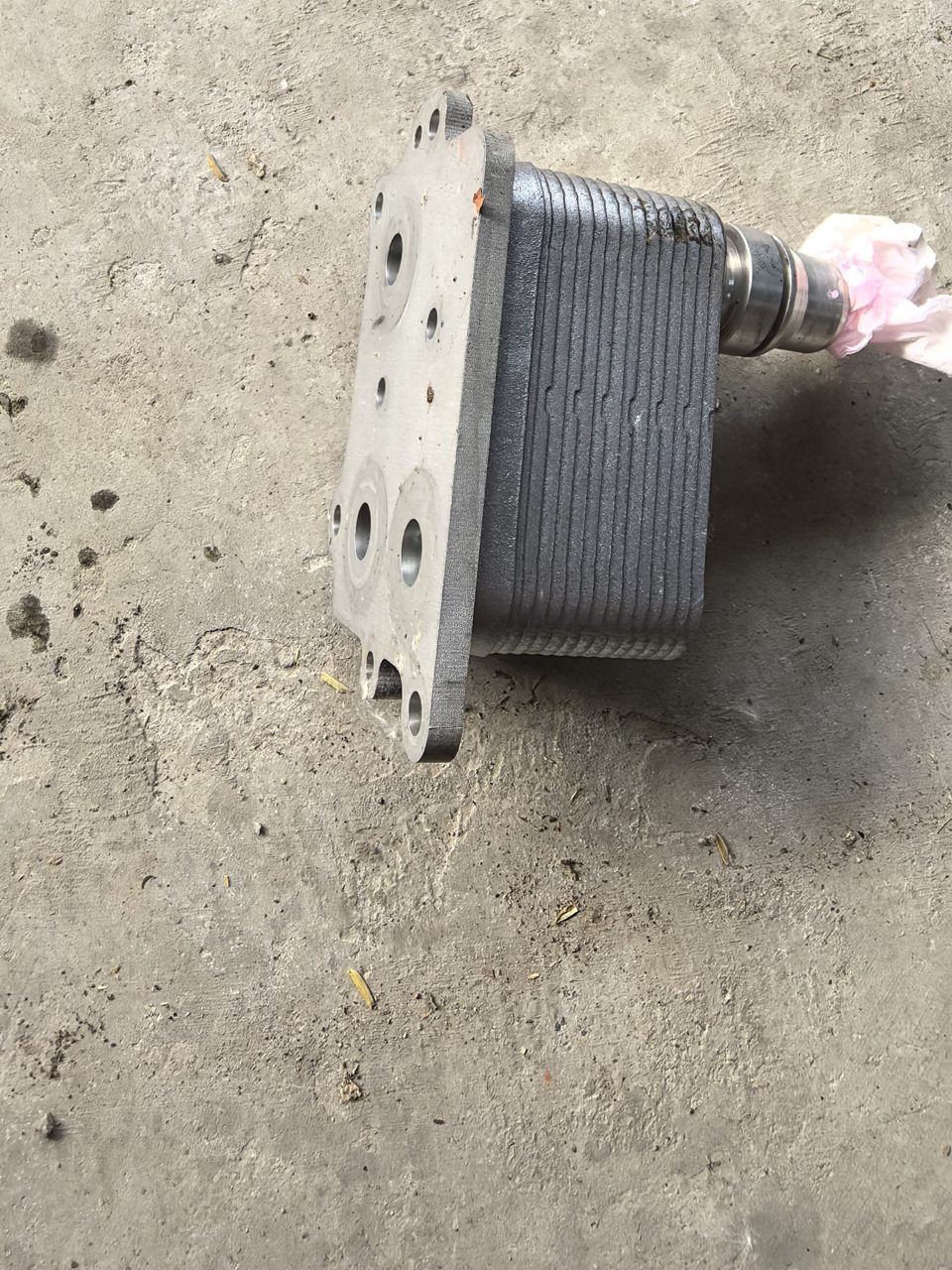
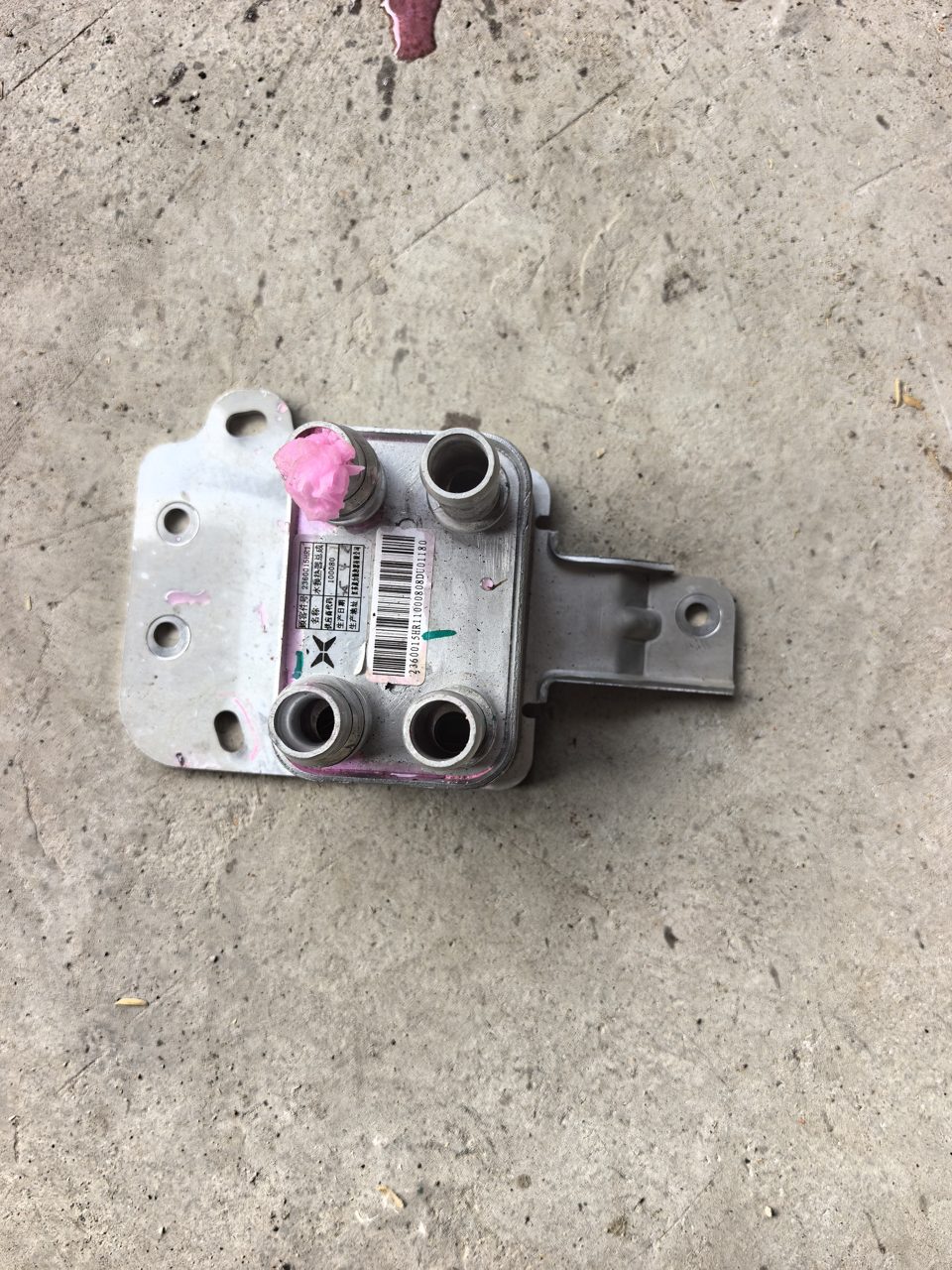
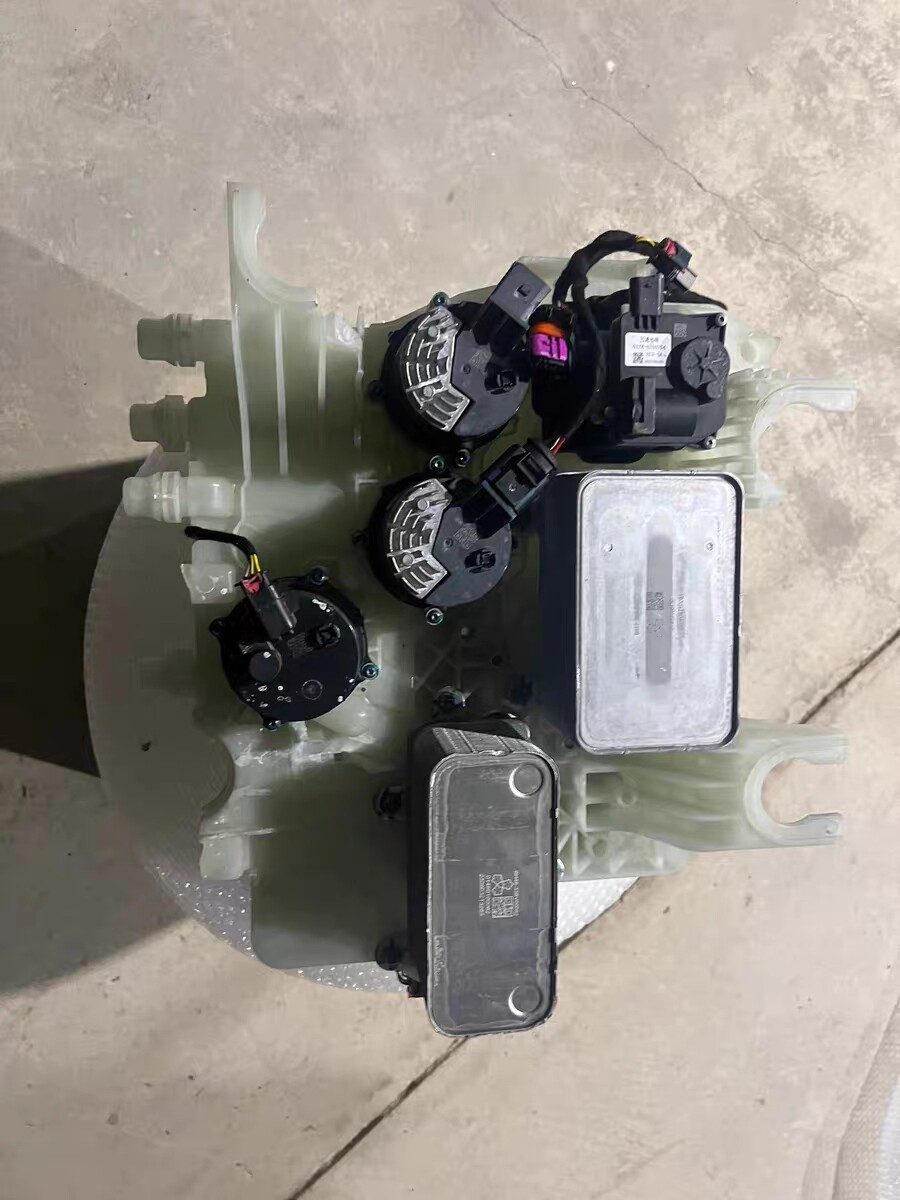
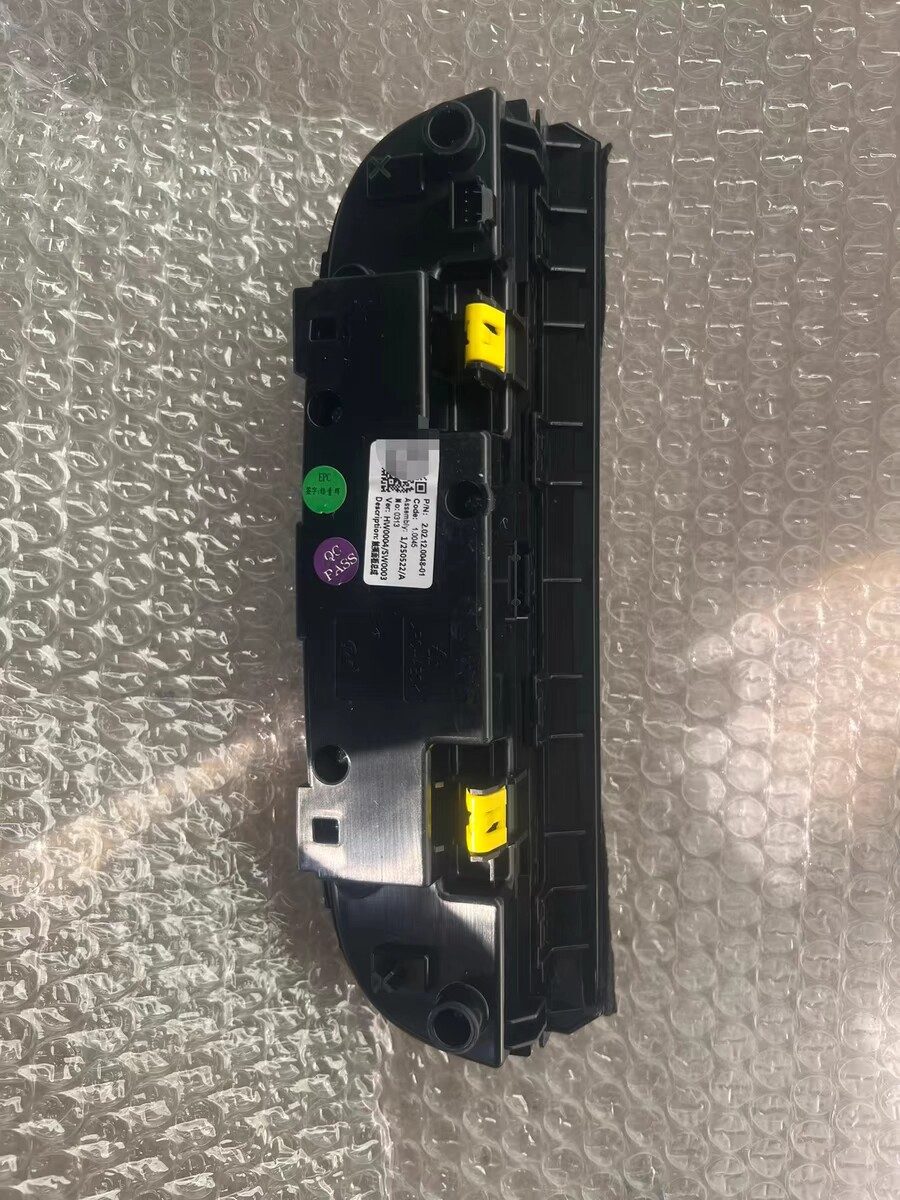
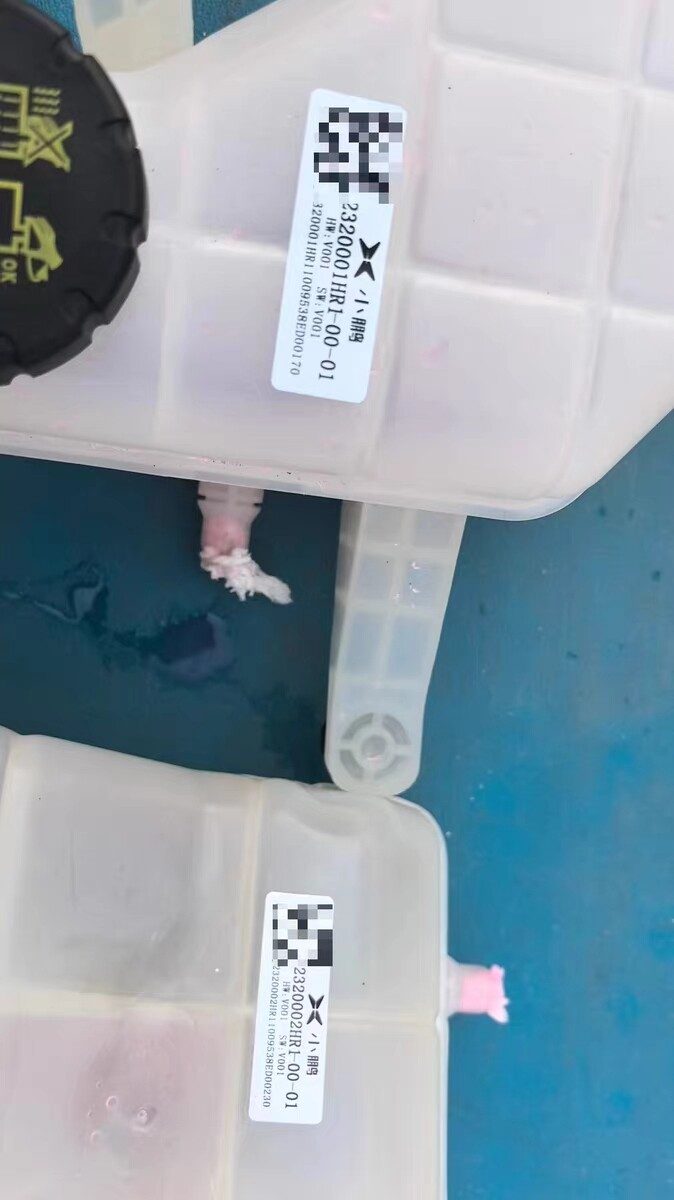
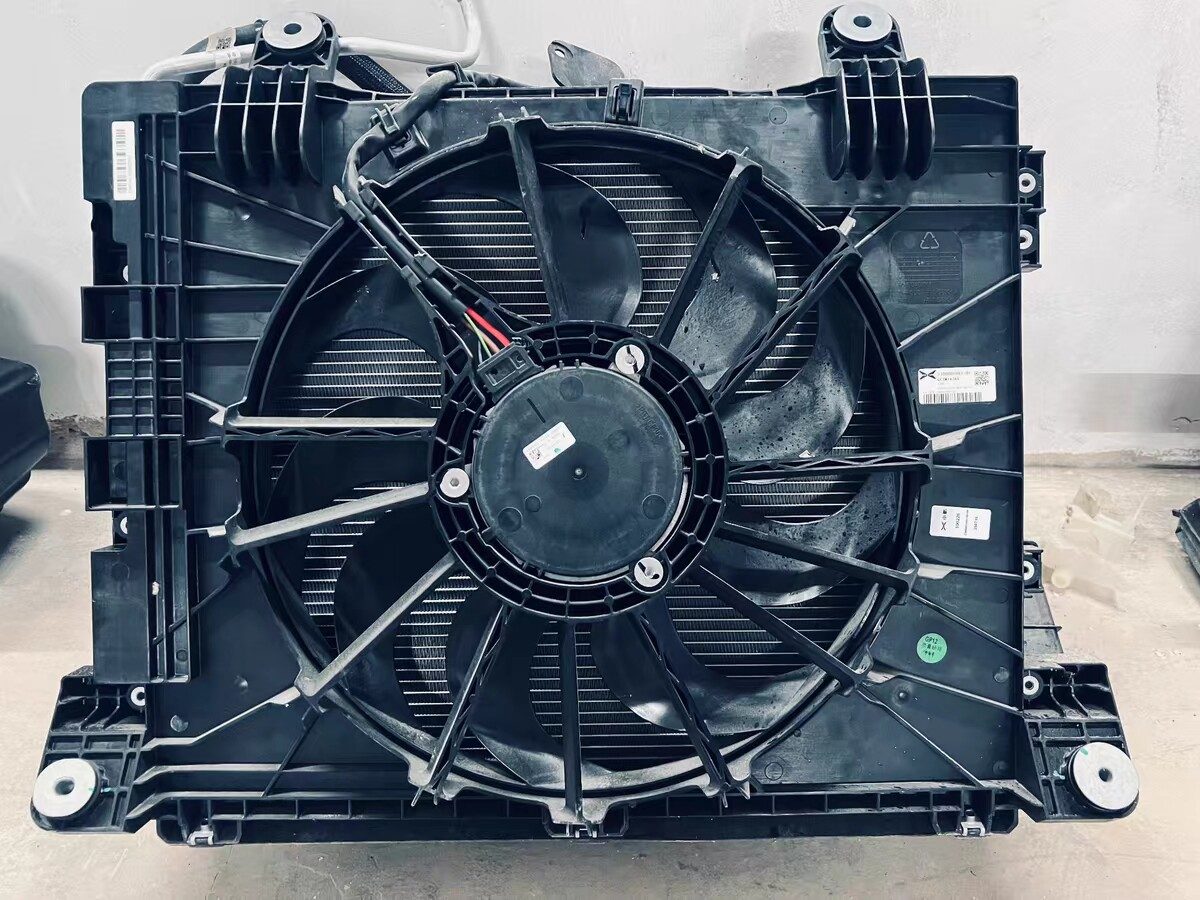
The centre of the system is the integrated thermal module. On the GX it is listed as a complete battery and electric thermal management unit, and a second listing shows the module without the compressor, which is useful because it confirms that the compressor is a separable item on this platform. The heat pump appears separately for the G6, which is the component that lets the car heat the cabin without resistive losses. The front-end group is the classical part of the system: a radiator, a receiver-drier, a front-end module assembly that carries them plus the condenser, and a water replacement thermal unit. Two coolant reservoirs appear as well, because both the battery loop and the drive loop need a header tank, and a cabin refrigerator with its own control panel is included since it draws on the same refrigerant circuit. That last item is a reminder that thermal management on these cars spans the cabin, not just the powertrain.
What differs between the G6, GX and X9
The X9 is the most conventional in this group, using a separate radiator, a receiver-drier and a front-end module, which makes it the easiest of the three to repair by part rather than by assembly. The GX moves to integration, with the battery thermal module and its compressor in one unit and a dedicated thermal management system listing. The G6 is the heat-pump car, and the pump is the single most valuable item here, so its condition matters more than its price. Because integration level changes the repair strategy, mixing parts across these three cars is unlikely to work even where the function is nominally the same.
Parts list 11 items
Heat exchangers and modules are photographed as removed and are drained before dispatch. Refrigerant circuits are not pressurised for shipping, so leak testing must be done on installation.

What fails, and how to spot it
Start with the compressor on the heat-pump cars, because it is the most expensive part and the least forgiving. Ask for the part number and for a note on whether the unit turns freely; a seized scroll compressor usually takes the debris with it into the rest of the circuit, which turns a single-part repair into a system flush. On the integrated module, look at the plate exchanger and the water-side valve block, since scale and a sticking valve are the two faults that make a module look fine and behave badly. Receiver-driers are consumables: a saturated one will not be obvious on inspection, so treat a used drier as a replacement item and buy a new one. Coolant reservoirs should be checked for cracking at the mounting bosses and for the cap seal. Finally, on the front-end module, inspect the fins for crushed areas and the end tanks for cracks, because a bent front-end stack is the most common result of a minor frontal impact.
Availability and enquiries
Modules and heat exchangers are single units sold as removed. Part-number photographs and measured dimensions are available on request.
Send an enquiry